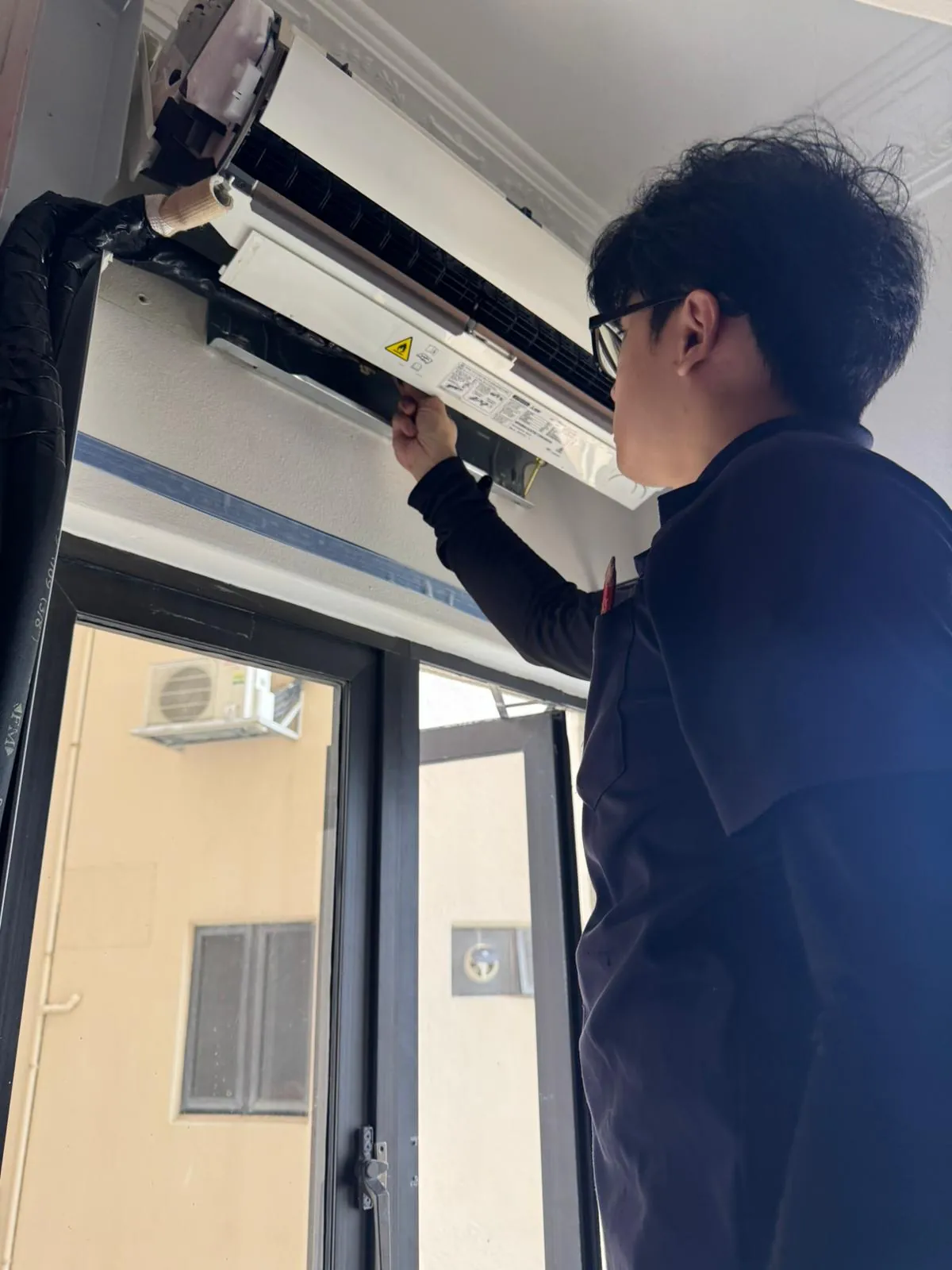
Aircon pressure sensor repair
We test the pressure sensor, connector, wiring and operating condition before recommending a part or refrigerant work. We’ll assess first, then confirm whether this is the right scope before you book.
BCA-registered10,000+ jobs completed
What pressure sensor repair covers
A pressure sensor converts refrigerant pressure into an electrical signal for the aircon controller. Commercial and VRF systems may use separate high-, low- and intermediate-pressure sensors. We confirm whether the signal, wiring or actual system pressure is responsible before ordering a part. Common situations where a pressure-sensor check fits:
A high- or low-pressure sensor code appears
The exact code and model identify which sensor circuit, connector and unit need testing.
The system stops on pressure protection
We separate an incorrect sensor signal from genuine abnormal pressure caused by airflow, refrigerant or mechanical conditions.
Cooling becomes unstable across several rooms
A shared outdoor pressure signal can affect compressor and valve control across a multi-split or VRF system.
When pressure sensor repair isn't suitable
A pressure-related code can be a valid warning about the refrigerant system rather than a failed sensor. We rule out the operating cause before quoting the sensor.
The system has a refrigerant leak or incorrect charge
Low or unstable pressure may be real, so the leak or charge condition must be resolved before a sensor is condemned.
Airflow, fan operation or the coil is restricted
A stopped fan or loaded coil can drive pressure outside the normal range while the sensor is reading correctly.
A valve, restriction or compressor condition changes pressure
Closed service valves, expansion-valve faults, pipe restrictions and compressor problems can all create a genuine pressure alarm.
What you get
A clear sensor-circuit or refrigerant-system diagnosis before any part or gas work is approved.
Exact sensor circuit identified
We match the code to the model and distinguish high-, low- and intermediate-pressure circuits.
Signal checked against actual operation
Sensor output, wiring and connector condition are compared with the system's measured behaviour.
Repair scope explained before approval
You receive the finding, part availability and whether the job is electrical or needs refrigerant-system work.
What we check before repair
A pressure-sensor diagnosis covers the electrical signal and the conditions that create real high or low pressure.
Model and code mapping
We identify the exact sensor circuit, reporting controller and system family before testing starts.
Sensor, connector and wiring
Connector condition, continuity and signal behaviour separate a sensor-circuit fault from a refrigerant fault.
Airflow and refrigerant condition
Fans, coils, valves, charge and accessible pipework are checked because they can create genuine pressure protection.
PCB input and control response
We confirm that the controller receives and responds to the signal correctly before ordering the sensor or board.
An open, shorted or detached sensor behaves differently from a correct sensor reporting genuinely abnormal pressure, and we compare the signal with the system's behaviour to tell them apart. How a job runs, from first message to booking.
Brand-specific pressure sensor repair
Each brand page lists the models we see, that brand’s fault codes, parts lead times and when replacement makes more sense.
- Carrier pressure sensor repair11 codes
- Daikin pressure sensor repair5 codes
- Fujitsu pressure sensor repair2 codes
- Gree pressure sensor repair3 codes
- LG pressure sensor repair6 codes
- Hitachi pressure sensor repair2 codes
- Midea pressure sensor repair4 codes
- Panasonic pressure sensor repair3 codes
- Samsung pressure sensor repair6 codes
- Toshiba pressure sensor repair4 codes
- Mitsubishi Electric pressure sensor repair1 codes
- Mitsubishi Heavy Industries pressure sensor repair1 codes
Workmanship warranty
We stand behind the repair we carry out, and we are straight about the part of the cover we do not set ourselves.
Labour
30-day workmanship warranty. If the same fault returns from our repair, we come back and the labour is on us, with no second diagnostic visit fee.
Parts
Parts carry the distributor's warranty for that component, so the term varies by part. We tell you both terms before you approve the work.
Frequently asked questions about aircon pressure sensor repair in Singapore
What are the signs of an aircon pressure sensor problem?
Does a pressure sensor code mean the sensor has failed?
Is a pressure sensor the same as a pressure switch?
Should I repair or replace the aircon?
We cover all of Singapore. Find aircon services in your area.
Describe your situation
Tell us what’s going on. Symptoms, setup, photos, anything we should know. We’ll assess and come back with the right next step.