LG CH35 Error in Bedok: Gas Leak at the Outdoor Connections
Two top-ups have become an open-ended cycle. Gas that keeps needing replacing is going somewhere, and that place can be found.
By Team Snowflake | Updated 24 Aug 2026
Teaching case based on recurring Snowflake service patterns; identifying details are combined.
How this presents
A CH35 code with cooling that fades over several weeks, cleared by a top-up and back within the month. A second top-up buys the same few weeks. The pattern that matters here is a charge that will not stay put, not the code itself.
- Setup
- LG Wall-mounted10-12 yearsHDBBedok
- Misread as
- Simple gas loss, which turns two top-ups into an open-ended cycle.
- Check first
- The outdoor fan and the pressure sensor, before any leak hunt
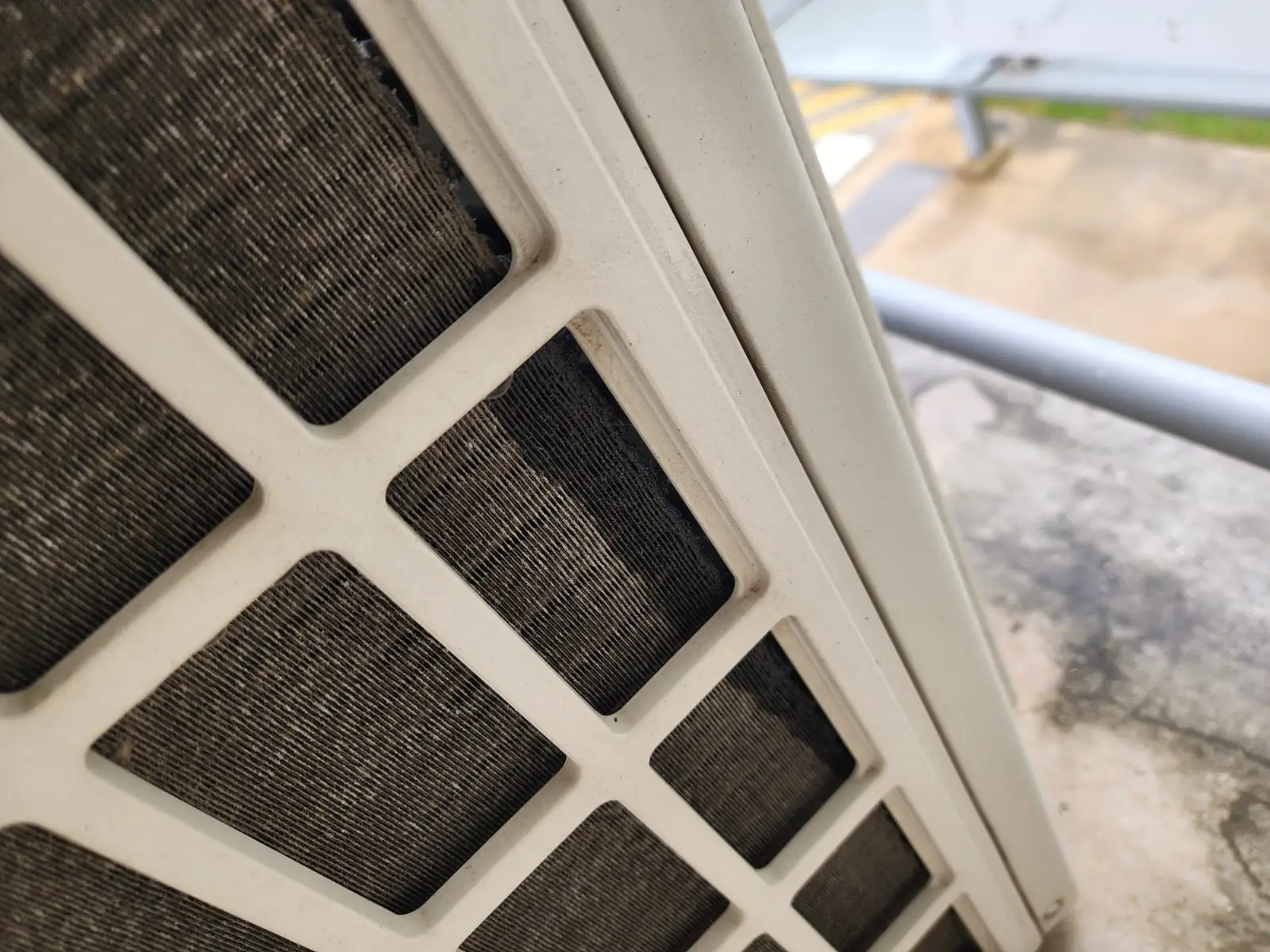
What else produces this
A repeat top-up narrows the field but does not close it. CH35 can still be a blocked outdoor fan or a sensor reading low, and both are cheaper to clear than a leak hunt, so both go first. Only with the fan running free and the sensor reading correctly on its own does the outdoor pipework become the place to look.
An outdoor fan turning freely with no obstruction removes the first of the three causes.
A pressure sensor that reads correctly when tested on its own removes the second.
Green oxidation on the gas line and liquid line fittings at the outdoor unit is visible before any test confirms it.
A bubble test locates the escape at the fitting where the gas line meets the outdoor valve. Clean, dry joints indoors rule out the other end.
Why it happens
Refrigerant escapes through corroded fittings at the outdoor unit. The connection surfaces are attacked over years by moisture and airborne salt, and coastal estates like Bedok run that clock faster than inland ones do. A top-up restores pressure against an opening that is still open, so the charge falls back below the CH35 threshold within weeks. The code returns because the leak was never closed, not because the charge was miscalculated.
What resolution involves
Sealing the corroded connection and recharging to the correct pressure is the whole repair, and the system then runs long enough to confirm the charge holds. No parts are involved. The adjacent fittings matter as much as the one that failed: connections installed together corrode together, so the neighbours are usually next and are worth inspecting while the unit is open.
How to tell it worked
A leak repair holds. A charge that reads correct on the day and trips the code again within a month was topped up, not repaired. Ask where the leak was located, and by what method, before paying for gas a third time.
Before you approve a quote
A top-up that keeps fading is a leak, not a charge problem
- A CH35 code on its own does not confirm a leak. Ask whether the outdoor fan and the pressure sensor were cleared first.
- Corrosion starts at the outdoor pipe connections, and green staining on the fittings is visible without any instrument.
- A top-up with no location named is not a repair. Ask where the leak was traced before paying for more gas.
Related diagnostics
Questions this case answers
What does CH35 mean on an LG aircon?
Gas topped up twice and the cooling fades each time: what is happening?
Can CH35 appear without a gas leak?
How do I know a leak was actually traced and not just topped up?
Describe your situation
Tell us what’s going on. Symptoms, setup, photos, anything we should know. We’ll assess and come back with the right next step.